
 Image 1 of 5
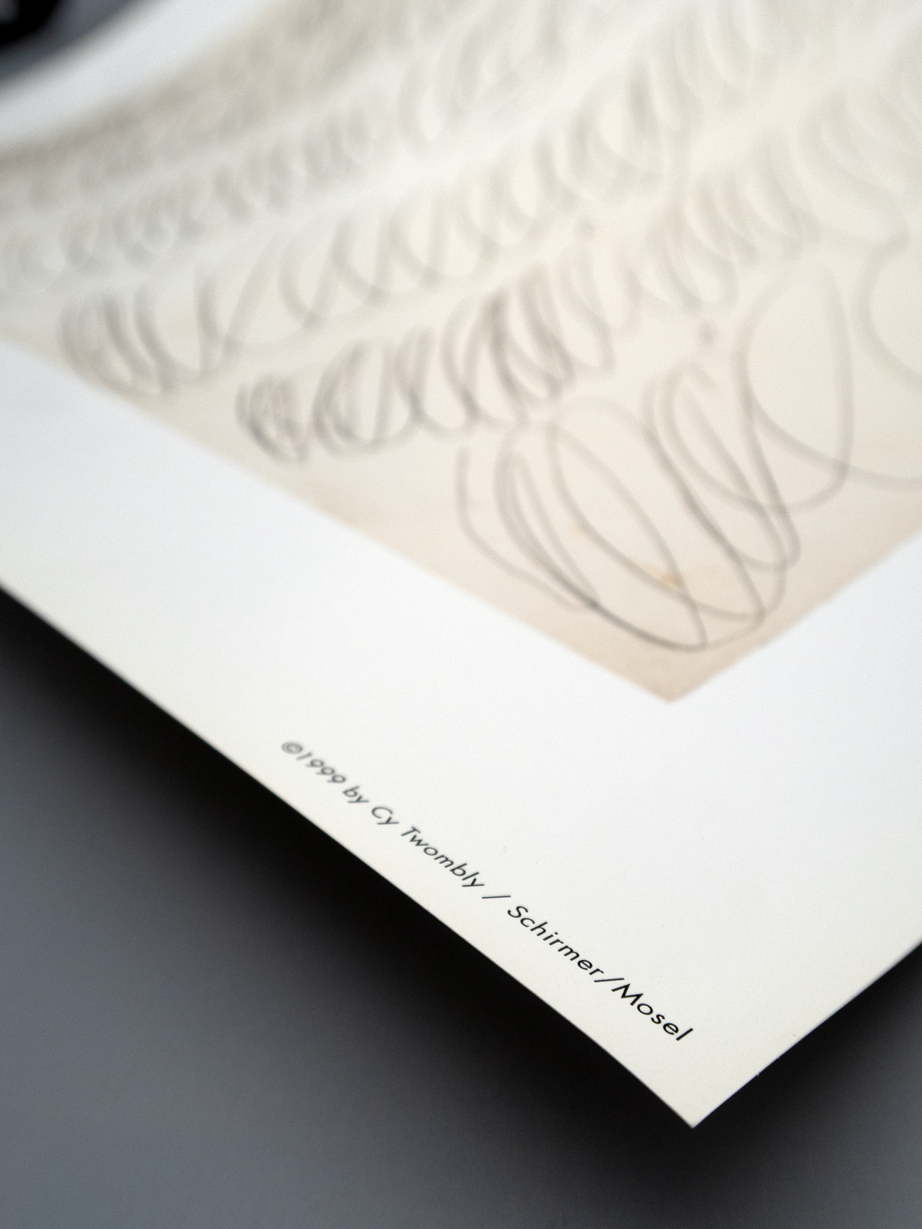 Image 2 of 5
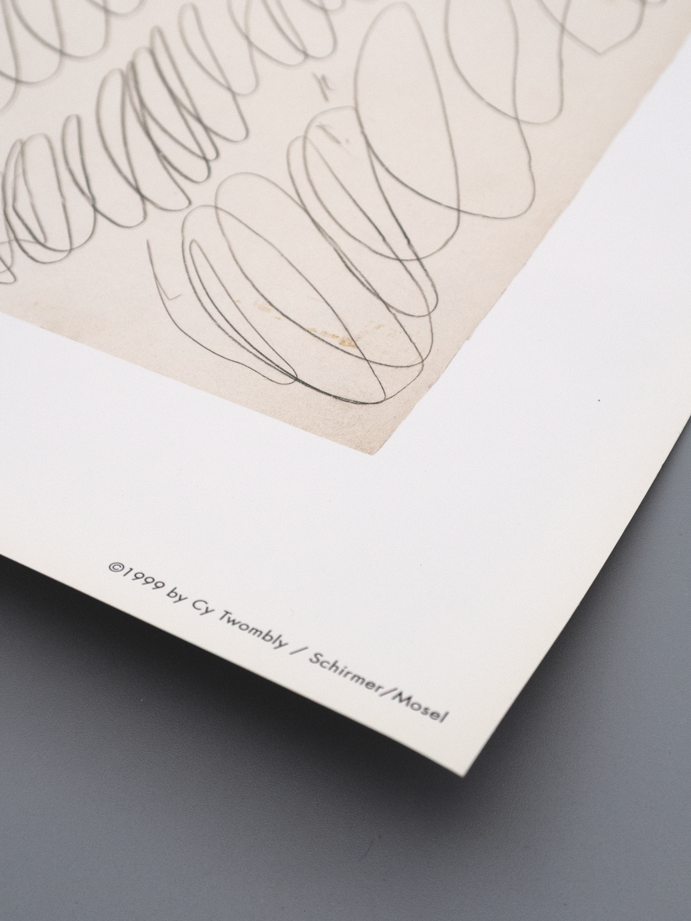 Image 3 of 5
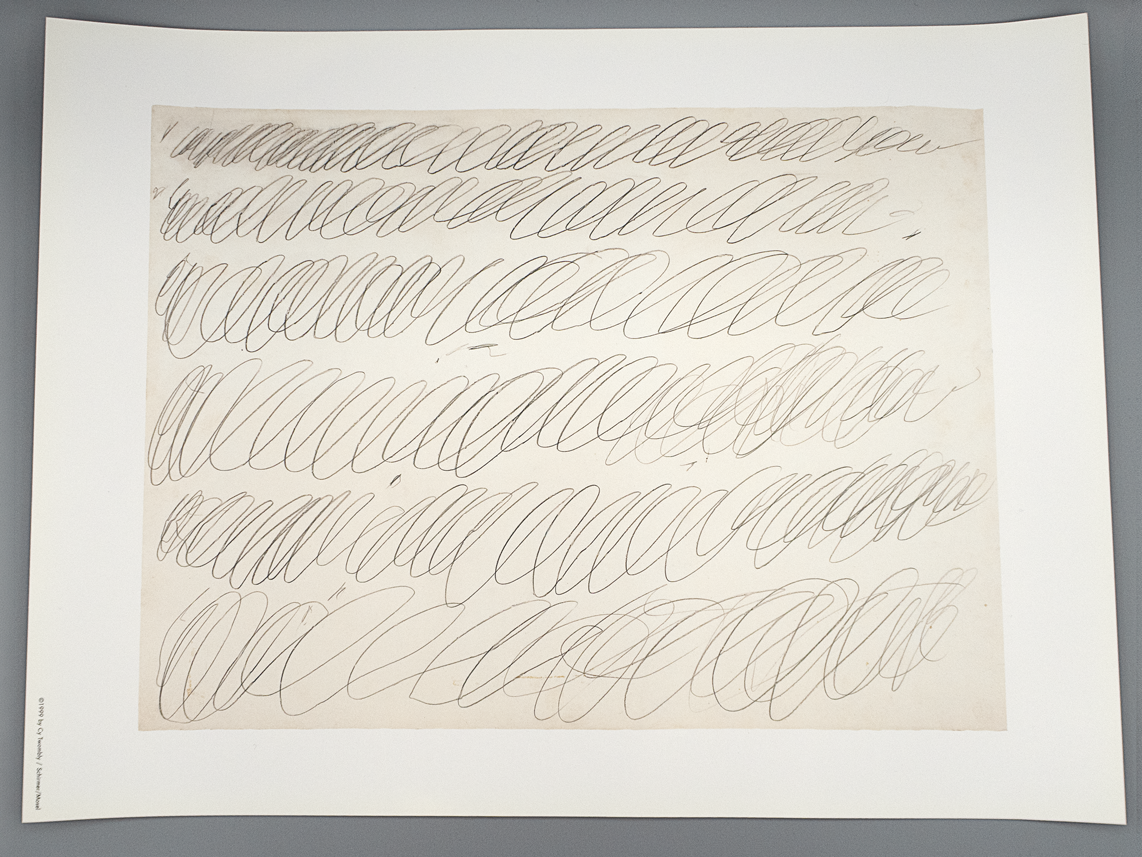 Image 4 of 5
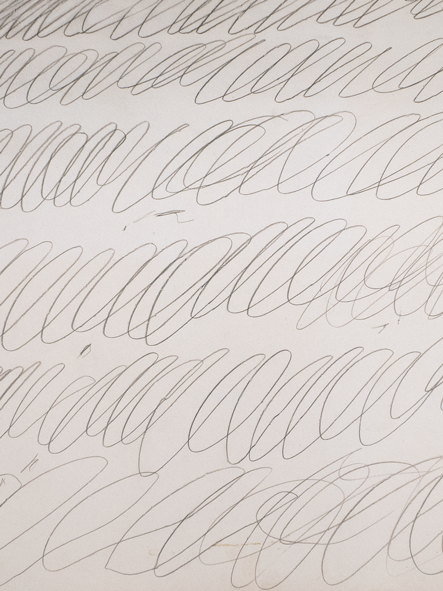 Image 5 of 5
ITEM NO: [06-ART-TWOM-P]
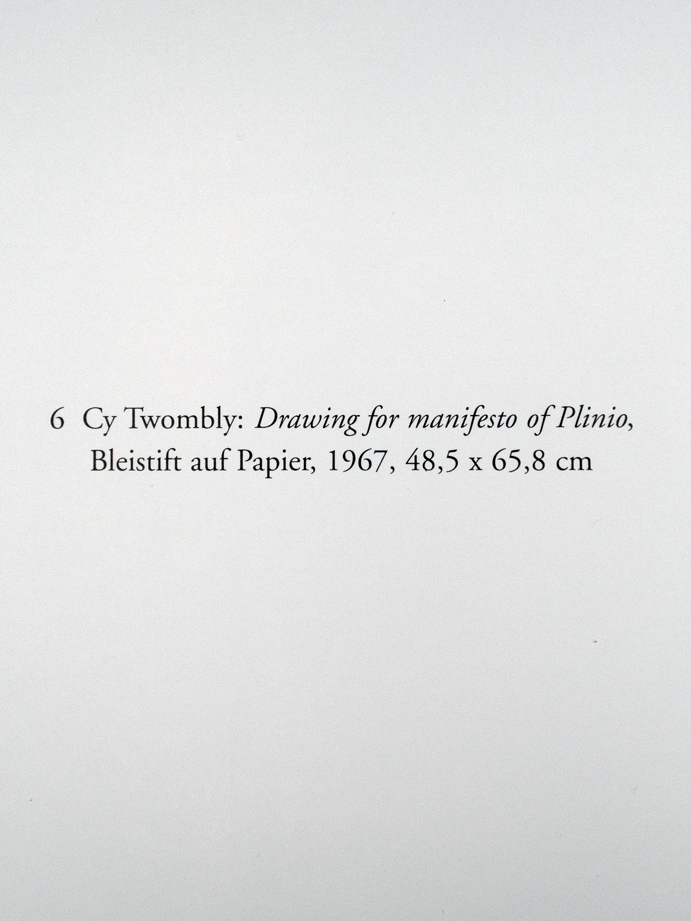
DESCRIPTION: A fine art offset lithograph on 250g/qm "BVS-PLUS matt" paper. This unit is an authorised reproduction of Edwin Parker "Cy" Twombly Jr’s (April 25, 1928 – July 5, 2011) 1967 Drawing for manifesto of Plinio.
CONDITION: 45.5 x 35.5 cm. Excellent / Archival. The print is certified in-plate (recto) and centre (verso), confirming its origin from the Schirmer/Mosel 25-year Jubilee Portfolio. Some very slight discolouration consistent with the age of the print (1999).
SITE MANAGER’S NOTES: While art historians view this as Abstract Expressionism, the Office of Continuity has identified this work as a rare "Automatic Scripting" event. The markings appear to be a high-speed transcription of the "Low C" hum recorded at the Benoni Site in the late 1960s.
Twombly’s work often quoted classical myths, but in this specific manifesto, the lines seem to be attempting to "wireframe" an object that was losing its physical form. Note the areas where the pencil work becomes frantic—this usually indicates a temporary drop in reality opacity to below 50%. This unit was recovered from a specialist gallery in the UK and has been kept in a light-tight drawer to prevent the "scribbles" from migrating off the page. Best displayed in a room with minimal electrical interference.
ITEM NO: [06-ART-TWOM-P]
DESCRIPTION: A fine art offset lithograph on 250g/qm "BVS-PLUS matt" paper. This unit is an authorised reproduction of Edwin Parker "Cy" Twombly Jr’s (April 25, 1928 – July 5, 2011) 1967 Drawing for manifesto of Plinio.
CONDITION: 45.5 x 35.5 cm. Excellent / Archival. The print is certified in-plate (recto) and centre (verso), confirming its origin from the Schirmer/Mosel 25-year Jubilee Portfolio. Some very slight discolouration consistent with the age of the print (1999).
SITE MANAGER’S NOTES: While art historians view this as Abstract Expressionism, the Office of Continuity has identified this work as a rare "Automatic Scripting" event. The markings appear to be a high-speed transcription of the "Low C" hum recorded at the Benoni Site in the late 1960s.
Twombly’s work often quoted classical myths, but in this specific manifesto, the lines seem to be attempting to "wireframe" an object that was losing its physical form. Note the areas where the pencil work becomes frantic—this usually indicates a temporary drop in reality opacity to below 50%. This unit was recovered from a specialist gallery in the UK and has been kept in a light-tight drawer to prevent the "scribbles" from migrating off the page. Best displayed in a room with minimal electrical interference.