
 Image 1 of 3
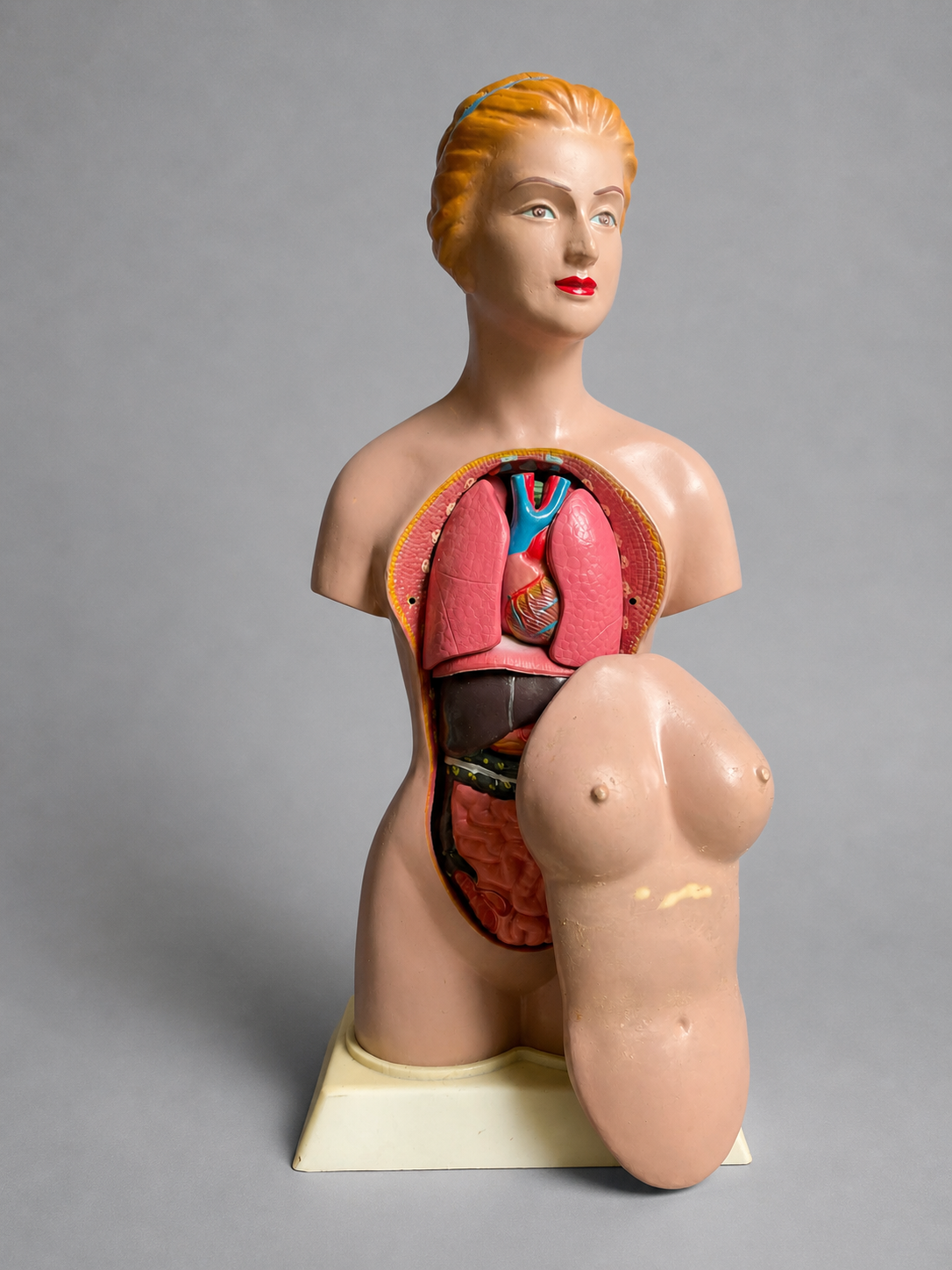 Image 2 of 3
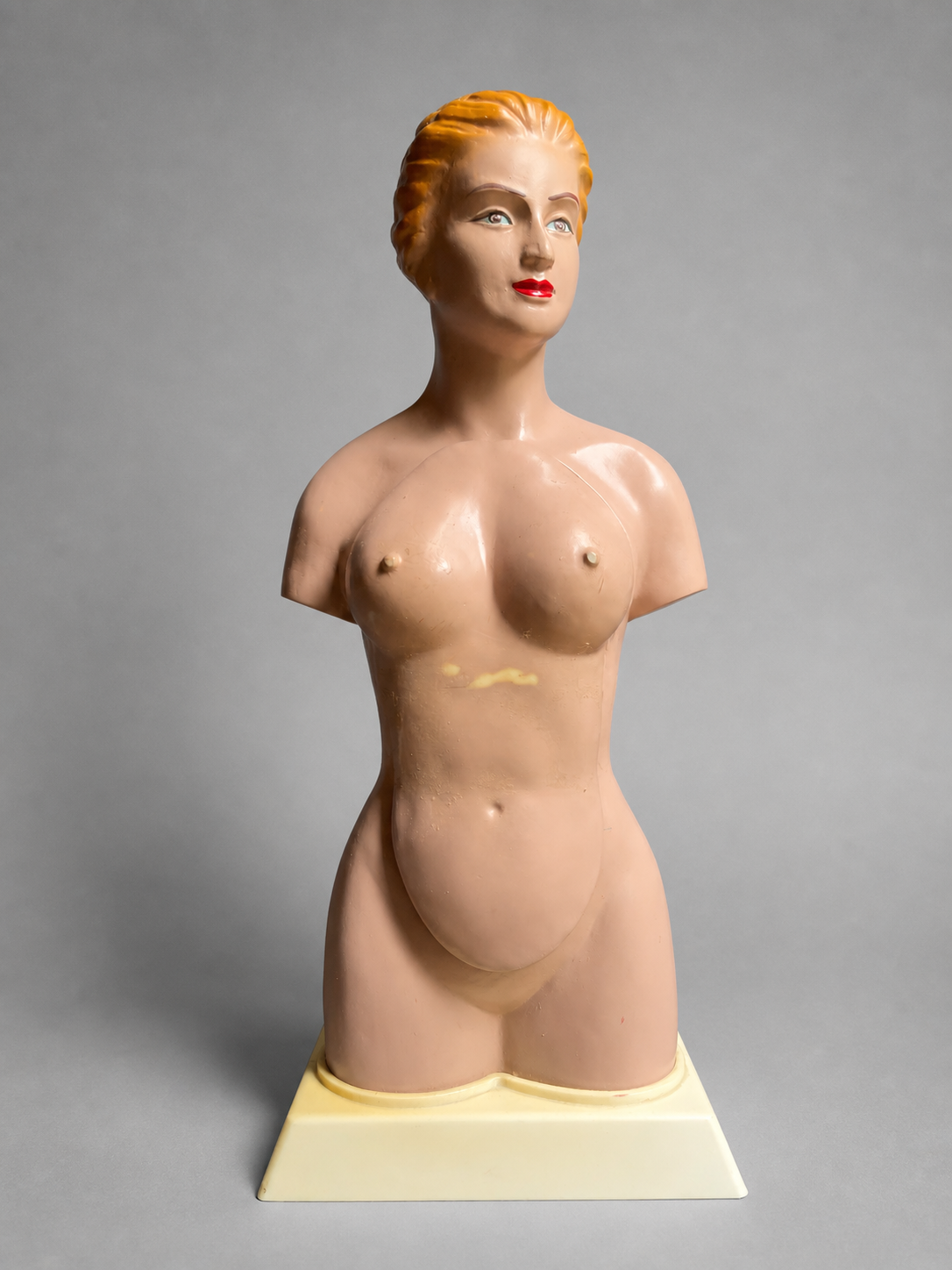 Image 3 of 3
ITEM NO: [60-BIO-MOD-F]
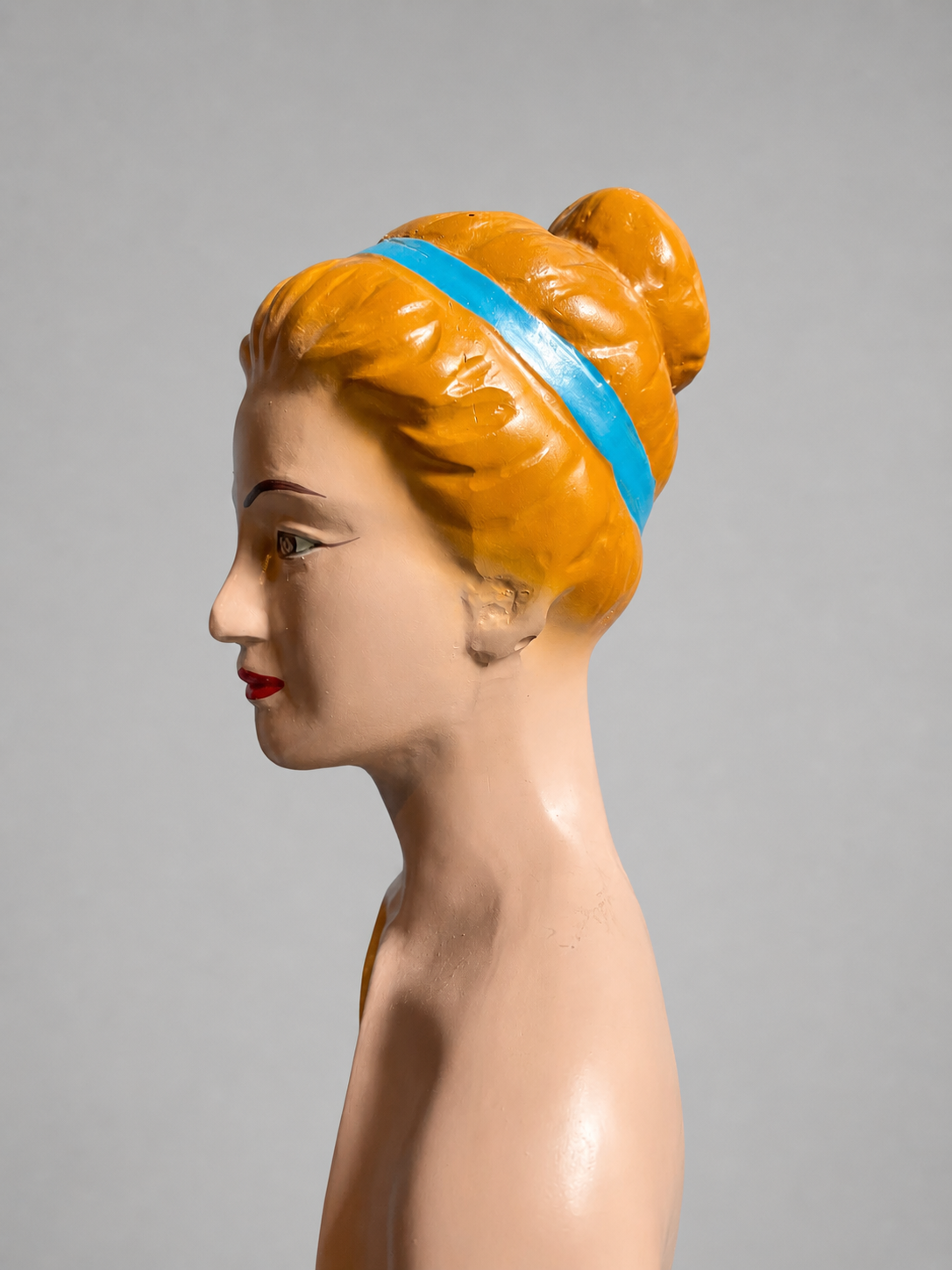
DESCRIPTION: A detailed, scale anatomical model of the female form. Constructed from high-density, mid-century plastic. Standing at 47 cm, this unit features a removable thoracic/abdominal plate, exposing the internal organ suite. A "Cabinet of Curiosities" grade object used for the study of internal spatial geometry.
CONDITION: Good / Period-Correct. The unit shows minor signs of aging, surface blemishes, and "dermal scuffing" consistent with five decades of clinical storage. All internal components remain in their designated quadrants.
SITE MANAGER’S NOTES: The Office of Continuity has catalogued this as a "Reference Human." We keep it in the shop mainly to remind ourselves where the liver is supposed to be when local reality starts to warp. Recovered from a collection in the Netherlands, this model is remarkably stable—it doesn't pulse, it doesn't breathe, and it doesn't move when the lights are off.
However, we have noticed that during periods of high atmospheric instability (specifically when the "Low C" hum is audible), the internal organs occasionally "swap" places. We once found the heart in the lower pelvic cavity after a particularly nasty thermal spike in Northmead.
Warning: If the model begins to develop a pulse, please return it to its box and notify Desmond.
ITEM NO: [60-BIO-MOD-F]
DESCRIPTION: A detailed, scale anatomical model of the female form. Constructed from high-density, mid-century plastic. Standing at 47 cm, this unit features a removable thoracic/abdominal plate, exposing the internal organ suite. A "Cabinet of Curiosities" grade object used for the study of internal spatial geometry.
CONDITION: Good / Period-Correct. The unit shows minor signs of aging, surface blemishes, and "dermal scuffing" consistent with five decades of clinical storage. All internal components remain in their designated quadrants.
SITE MANAGER’S NOTES: The Office of Continuity has catalogued this as a "Reference Human." We keep it in the shop mainly to remind ourselves where the liver is supposed to be when local reality starts to warp. Recovered from a collection in the Netherlands, this model is remarkably stable—it doesn't pulse, it doesn't breathe, and it doesn't move when the lights are off.
However, we have noticed that during periods of high atmospheric instability (specifically when the "Low C" hum is audible), the internal organs occasionally "swap" places. We once found the heart in the lower pelvic cavity after a particularly nasty thermal spike in Northmead.
Warning: If the model begins to develop a pulse, please return it to its box and notify Desmond.